What to do when a child won't eat?

Mireia Navarro Vera
Director and psychologist
COPC 10631
Contents
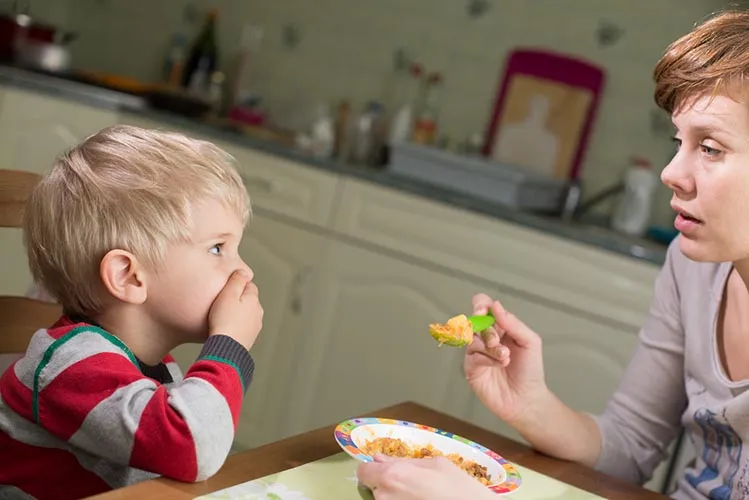
In many households with children, mealtime can be one of the most conflict-ridden moments of the day, especially if the child does not want to eat enough, if they eat only certain foods, or if the moment of eating in front of the plate drags on forever.
Why isn't our child eating?
When a child stops eating, they may be telling us without words about some difficulties adapting in their life or that something is wrong. At certain ages they do not know how, or are not able, to express to us when they want to obtain something important to them or when they want to get our attention.
Most of the time, this problem resolves spontaneously, but in some cases we have to look for ways to solve it.
We must keep in mind that:
-

It is absolutely normal that some children eat less than others, and therefore we should not compare between siblings, cousins, and friends.
- It is also normal for a child to go through some period of lack of appetite, as long as it is not excessively long.
Generally, it is the pediatrician who reassures the parents by ruling out any illness, while at the same time making sure the child falls within the normal range of the height and weight statistics.
Parents should always stay calm, since sometimes their nervousness can make mealtime even more difficult.
Guidelines to help at mealtime
We suggest a series of guidelines to help in these moments.
- A good method for improving attitude toward meals is for the children themselves to help prepare them, so they get involved in the matter; this can be helping to go buy the food, peeling it, or decorating the plate.
-

Having all the members of the family eat together** and, if possible, without watching television or playing with toys, since this fosters communication among them.
- Making the meal a pleasant moment, avoiding punishments and scolding, and ideally allowing moments of relaxation and calm to arise.
- Involving the whole family in the responsibilities of this moment. That is, trying to get everyone to help set and clear the table, tidy up, wash the dishes, etc. This will foster responsibilities of order and mutual help within the family.
We must keep in mind that parents have to be a model of correct behavior for their children, so we have to act as such: behaving by speaking softly, eating all our food, tidying up, etc. Setting an example and observation are more effective than saying things out loud a thousand and one times.
To make it more pleasant, we can try to decorate the plates in a funny and attractive way and vary the meals so that eating the same foods many times or consecutively does not become tedious for them. All the senses must motivate the act of eating and make it a pleasure. Well-prepared and presented dishes can help boost the appetite; we eat with our eyes, and even the color of the food can help motivate the desire to eat.
A varied diet and introducing new foods

As we know, children have to eat everything and have a varied diet; it is not a good method to ask them what they want to eat. In any case, we can ask them to choose between two options, since this way we ensure their diet is balanced.
It is advisable to introduce new foods gradually. If the child rejects some food, it can be introduced into the diet along with another food they like more, or its texture can be modified to make it easier for them to accept, such as macaroni with meat and vegetables...
If the problem lies in the amount of food, it is preferable to give them a smaller amount but have them eat it all, and if they want more, let them have seconds.
A varied diet stimulates the appetite and fosters eating habits that are appropriate for the age. Every day, foods of all types should be included in the appropriate proportion. One idea may be to find out about the school menus so as not to repeat the meals and at the same time complement them at home.
Encouraging the practice of physical activity through sport usually helps to increase the appetite and, at the same time, social relationships and psychological and motor development.
It is important to remember that eating is a habit and, like all habits, it must be incorporated little by little.
Recommended habits and schedules
It is recommended to:
- Always eat in the same place
- Eat at set times
- Not snack between meals
- Encourage children to eat on their own from a young age, thereby fostering their autonomy
- Not eat only what they like
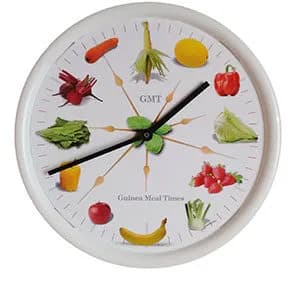
It is also important to distribute the food across 5 meals; that said, if the child does not eat at one meal, you should wait until the next one in order not to disrupt the schedule. For this reason, it is important to prevent them from eating between meals.
If all of this generates a lot of problems, we can create a weekly menu for the whole family. Writing it down will help to make changes and modifications to adapt and to learn everyone's preferences.
When not eating is a way of seeking attention
Many times the child does not want to eat because of the attention they receive for not eating. Our attitude here is very important, which is why we recommend that you:
- Ignore this situation, that is, not pay attention to it or make negative comments.
- Instead, praise them and give them all our attention when they eat, and not when they do not.
- Have a clock indicating what time lunch or dinner ends, and once the time is up, take their plate away.
- It is also not advisable to talk with other people about how our child does not eat well when they are present.
As we have seen, we recommend that, above all, a calm and relaxed attitude be maintained, and this way mealtime will become a pleasant place for all the members of the family.
Does this resonate with you?
Our team can help. Write to us and we'll guide you with no obligation.