What is mindfulness? Learn to put it into practice

Mireia Navarro Vera
Director and psychologist
COPC 10631
Those of you who are regular readers of the blog already know that every summer I set myself a goal, three years ago it was to spend more time with my children, two years ago it was to practice detachment and last year, happiness.
This year my goal has been to delve deeper into mindfulness and, although I know I still have a lot of work to do, there are certain things I have already achieved.
First I will briefly define this word that is so fashionable and then I will tell you how I have put it into practice.
What is mindfulness?
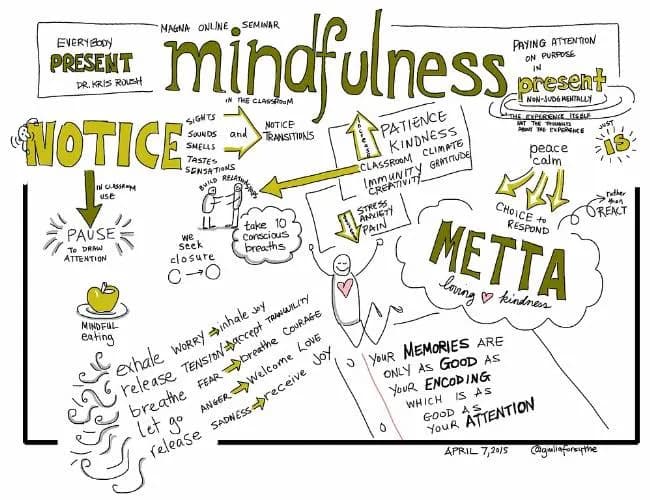
Although it is something very innovative in our society and until relatively recently it had not been introduced into clinical psychology, it is a practice that has existed for more than 25 centuries in the East, originating from Buddhism. It is the ability to focus our attention on the present with interest, curiosity and acceptance. To focus our attention on the here and now, like a patient observer, without judgment.
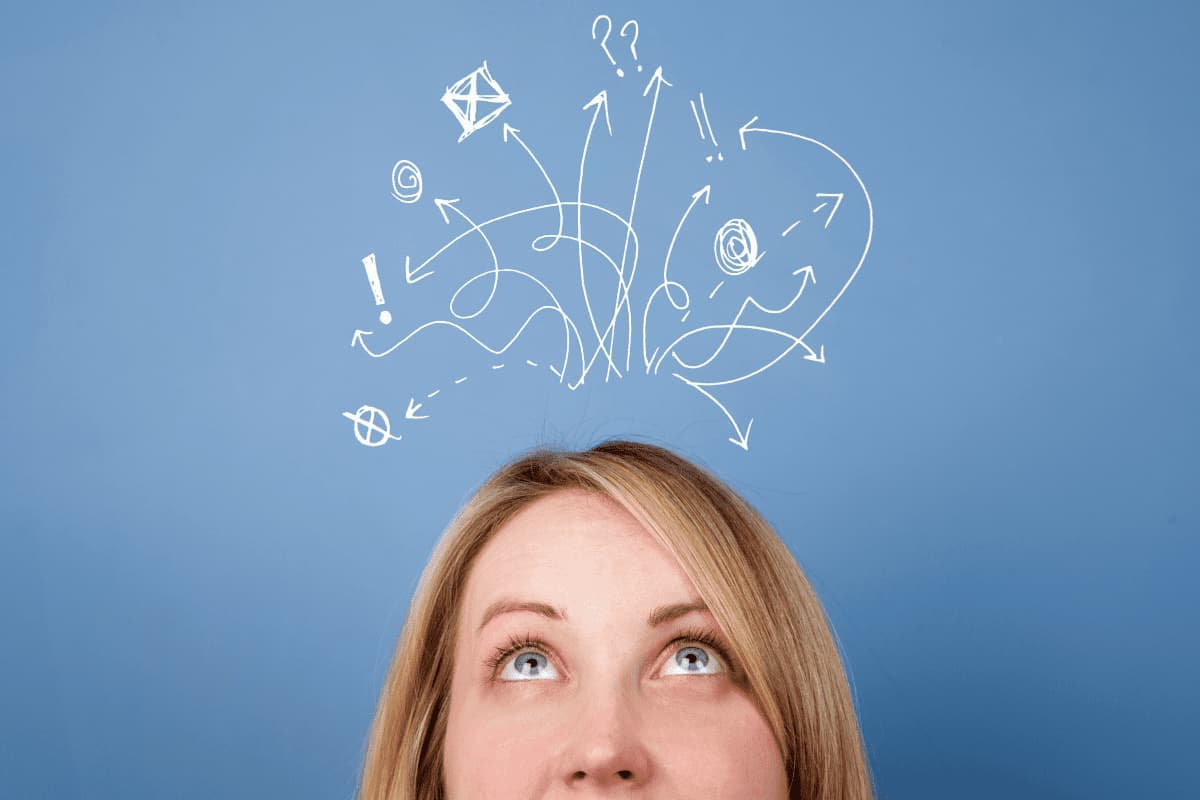
Our mental patterns (those of the West) are very far from meditation and therefore we are not used to paying full attention. Rather we are full of thoughts that race through our brains a thousand miles an hour, sometimes so automatically that we are not even aware of them.
Have you ever stopped to think about how many thoughts we can have in a day? We have about 60,000 thoughts a day, incredible, isn't it?
Moreover, we stopped living in our present a long time ago. We live between the past and the future. Sometimes recalling past times that were better and other times longing for things we want to achieve in the future. An excess of the past equals sadness-depression and an excess of the future equals fear and anxiety.
We can only enjoy life when we live in our present.
Think about the last time you had a pleasant moment, of enjoyment, I don't know, some laughs with friends having a drink, watching a sunset in the mountains, playing with your children… Focus for a few seconds on that moment and answer where was your mind? Was it planning the future or making the shopping list? Was it remembering an event from the past?
The answer is probably NO. It was right there in that moment.
Living in the present is the only way we can enjoy anything. If our mind isn't there, it's very difficult for us to be able to enjoy the sunset. Therefore we only truly live if we are able to be present.
If you want to delve deeper into the definition of mindfulness and learn how to put it into practice with children, you can read the article by Eugenia Olego on our blog
How do we put it into practice?
Mindfulness is like practicing any sport, it requires time and dedication before bearing fruit. I always say: if I want to run a marathon, I have to train no matter what, at least 3-4 times a week I will have to go out running, for a year, in order to modestly run my first marathon.
Well, with the practice of the here and now it's the same, I won't be able to run a marathon in the first month but I will in the first year.
If you want to keep your body healthy, we all know we should exercise and eat in a balanced way most of the time, throughout almost our entire lives. There's no point in doing it well for two months and then stuffing myself with pizza in the third.
If you want to keep your mind healthy and balanced do you think it's free, without effort? Do you think people achieve that mental balance and emotional well-being out of nothing?
It is true that there is genetics, there are athletic bodies that don't require so much effort to have a great figure and strong minds that don't either. But for the rest of us mortals, if we want mental balance we are going to have to work at it. How? Well, by practicing mindfulness every day of my life, forever. Easy, right?
Luckily, practicing it every day is easier than it seems, by following these steps:
#### 1. Here and now in the shower
I have chosen the shower, because it is an everyday activity that we usually do every day, but it can be done with any other activity. Normally while we shower our mind wanders from one place to another without paying much attention to what we are doing, because it is something that we have heavily automated and don't pay attention to. Well, the next time you go to shower, focus all your attention on what you are doing. How you lather up, what you feel, how the water is, what sensations your body has, etc… You'll notice that in less than two seconds your mind has gone off to think about something else. It's okay, that's normal. When you catch it outside the shower, bring it back to the here and now, to the shower. Tell it: where are we now, in the shower, right? so let's think about this.
Do it every day, every time you shower, for the rest of your life. You don't need to dedicate extra time to it, it's something you already do every day, you don't need to put on an audio, have nobody disturb you, sit in a meditation posture or anything at all. There are no excuses. It's easy, you just have to do it.
You can extend it to any automated activity of your daily life, like driving or making the bed, washing the dishes, etc…
The more you train it, the better you'll do it and the sooner you'll notice the benefits.
#### 2. Here and now when you breathe
It's one of the best ways to keep yourself calm. Your breathing.
Once a day, focus on it, close your eyes and breathe. You can count to two when you inhale and to four when you exhale and observe how your belly swells and how it deflates.
It's easy and quick, a couple of minutes is enough.
#### 3. Here and now in the important moments
Do you play with your children? Do you listen to your friends? Do you watch the sunset?
Are you sure?
Is your mind 100% present in all these activities? Probably not, or only sometimes. We are not trained, nor used to paying full attention to the important things we do. Try paying full attention the next time you play with your children or have a conversation with a friend and you'll see the difference.
To help you control your attention, there are some exercises that work very well:
- LISTEN: close your eyes and pay attention only to the sounds. Don't judge them, or name them, just listen.
- LOOK: open your eyes wide and look around as if it were the first time you see it. Admire the colors, the shades, etc… without judging.
- TOUCH: close your eyes and touch something, notice the textures, don't judge or try to guess what it is. Just touch and focus on what you feel with your fingers.
Unlike the here and now in the shower, you don't have to do these exercises every day. Only when you have the opportunity. I take advantage of it when I go out running in the mountains. I stop, close my eyes and start with hearing, then I open my hands and try to touch the air and finally I open my eyes and look.
All this helps me pay attention intentionally to other aspects of my life. If I'm playing, I'm playing, if I'm cooking, I cook… etc⠀
I tell my mind: now we're cooking, not thinking about what I'm going to do tomorrow, and that's how I keep it in check.
This summer, I've done it a lot, in every landscape, in every sunset,… a holiday gives many opportunities for training.
#### 4. Here and now at mealtimes
I have to admit that this is the one I find hardest of all. Eating while paying full attention, savoring the food and not letting your mind wander or get distracted.
Meals are a great opportunity to work on the here and now. Above all, by sharpening the sense of smell and taste.
With children, there is a technique that is used a lot to practice mindfulness. You tell them to imagine that they are aliens and that they are going to eat a mandarin for the first time. If you've never eaten one, the first thing you would do is look at it carefully, touch it and smell it. And then you would bite it paying close attention to the texture, the flavor and the sensation, closing your eyes to be able to focus well.
It's not about doing this at every meal, that would be unfeasible, especially if you eat out. Imagine the waiter's face!
You just need to pay attention. Prepare your dishes with care, so that when you see them they are beautiful and well presented. Sit down without distractions to eat and savor. Eat slowly and enjoy.
I had set myself the goal of doing it at every breakfast on this holiday and I confess that I haven't managed it. I'll have done it about five or six times and it's still my pending task.
#### 5. Here and now in your life
Deep down, what I'm proposing to you is a change in your life. That you stop living in the past or in the future and live only in your present.
If we analyze our thoughts, almost always they go from one place to another, above all planning, seeking goals, comparing, judging…
I remember when I analyzed my thoughts for the first time, I realized that my mind was always projected into the future. If I got in the car to go somewhere I was already calculating when I would arrive and what I would do when I got there, it was very rare that I would automatically pay attention to the journey itself.
When I woke up, I drank my coffee planning the day and when I went from work to home I planned what I would do on arriving. My mind was in constant turmoil. When I played with my children I thought about what I would make for dinner and while having dinner, I longed for the moment when I could sit on the sofa and so I was always one step ahead of what I was doing.

Since I practice mindfulness, all this has changed and I feel that my mind stays calm for longer. I can enjoy things more because I give them the attention they need.
I live in my present, because I finally give it the attention it deserves.
#### 6. Here and now in the difficult moments
And now comes the interesting part. If you are well trained, you will be able to stay calm in difficult moments.
Imagine you have a job interview. What will an untrained mind do? Exactly, it will plan the interview: if they ask me this, I'll tell them that, and if they ask me…. so that it will have made up three movies or three thousand before the interview, and what good is that to it? It will probably increase its anxiety. A mind in the here and now will say: am I already at the interview? no, well then it's not time to think.
Or that you are waiting for the results of a medical test. What good is it to think about them?
I'll tell you: it serves to fill you with anxiety and worry.
A few months ago, life gave me one of those opportunities that only life gives you: a family member was very, very seriously ill and for months we were in the ICU every day. Without knowing whether that would be the last day.
I have to admit that staying in the here and now helped me a lot and, although during those months I felt great sadness, not thinking about tomorrow allowed me to stay serene. Within the grief I was able to feel at peace.
I have realized that if you control your mind more and don't let it project either toward the past or toward the future, keeping it in the present, life becomes simpler and more amplified.
When you go toward the future you tend to fill yourself with fears and worries. Fear of things that haven't happened yet and this generates anxiety and discomfort in you.
If you are able to stay in your present, in right now, life stops being so complicated and the air you breathe fills you with calm.
Does this resonate with you?
Our team can help. Write to us and we'll guide you with no obligation.