How can we encourage reading in our children?

Mireia Navarro Vera
Director and psychologist
COPC 10631
Reading has numerous benefits for children, both emotionally and psychologically. Through it, they can experience emotions and feelings, enjoy themselves, and learn.
For this reason, we must encourage children to enjoy and have fun reading.
The benefits of reading are countless; some of them would be:
- It fosters imagination
- It develops cognitive abilities: memory, concentration, abstraction…
- It helps to expand vocabulary
- It improves both oral and written expression
- It helps with knowledge of the world and curiosity
There are children who have difficulties when it comes to properly acquiring reading and writing skills, and therefore find it very hard to pick up a book to read, and even harder to discover that reading can be enjoyable.
Some suggestions we recommend for children who find reading difficult
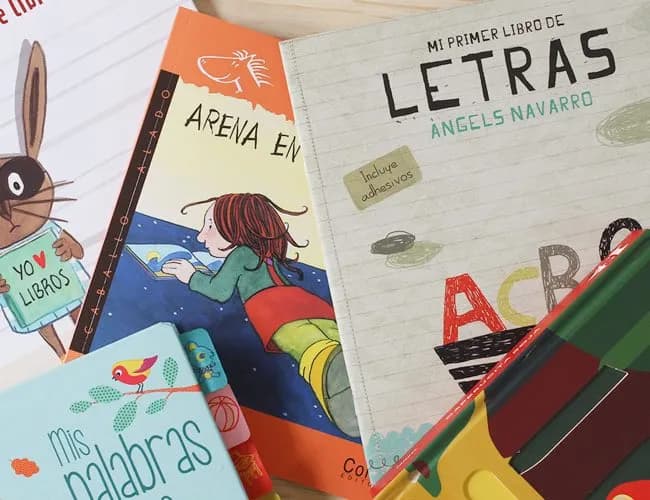
A good tactic at the start would be to look for books recommended for lower levels and younger ages, so they will find them easier to read and the reading will be less difficult; books with little text and lots of pictures are recommended.
Try to ensure they do not see reading as an obligation but rather as a pleasure or as something fun.
We can go with our child to libraries or bookshops and let them choose books that motivate them themselves. It does not matter if they are only comics or books with lots of pictures for their age; what matters is to encourage the use of books. But the important thing is that we offer them books that are fun and entertaining and within their range of interests and tastes.
Encourage reading as another habit or routine, that is, encourage the child to read every day even if only very little. Seeing parents read as an activity they do because they enjoy it helps the little ones!
A good time would be before going to bed. We can let them read themselves or, conversely, read to them, or encourage reading together to avoid tiredness and foster a pleasant atmosphere between parents and children.
At the start it is not advisable to correct all their mistakes; on the contrary, we can congratulate them when they read correctly or when they understand what they read. Recognise every small improvement they may be making!! The most important thing is that they understand what they read, not that they do it perfectly.
Avoid making negative comments, whether at home, with relatives or friends, about your child's reading difficulties, and instead congratulate them on all their achievements and progress, however small.
At early ages we can play and carry out activities to encourage their learning. We can use: puzzles that match letters and images, memory games or dominoes, among others.
In addition to all this, we must keep in mind that we parents are the main educational model, and therefore it is important that they see us as readers and regular visitors to neighbourhood libraries and/or with a small library in our own home.
Instilling a love of reading in our children is one of the best gifts we can give them!!
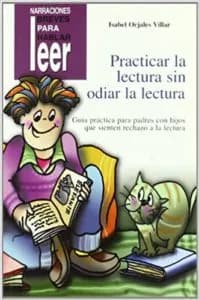
We recommend the book: Practicar la lectura sin odiar la lectura by Isabel Orjales.
It is a practical guide for parents with children who feel an aversion to reading
Does this resonate with you?
Our team can help. Write to us and we'll guide you with no obligation.