Childhood shyness: how to help my child

Mireia Navarro Vera
Director and psychologist
COPC 10631
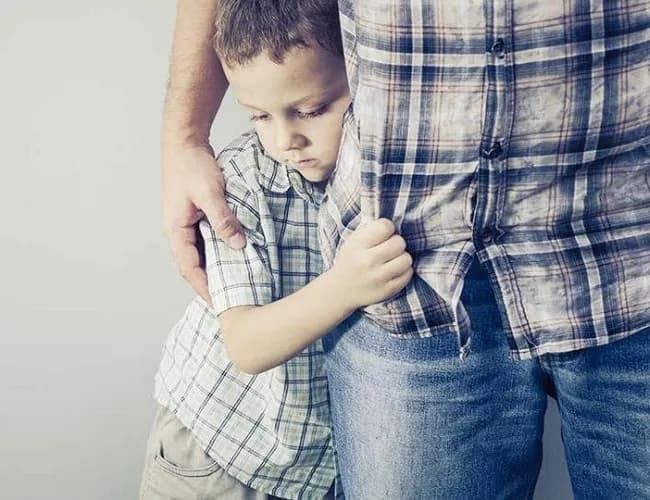
Most children are shy to a greater or lesser degree, and this is a completely normal fact, but in some children this difficulty can lead to major deficits by preventing them from relating to others.
Being a shy person is in principle not a problem at all. Shy children tend to be calm, quiet people who avoid social situations.
All of this is absolutely normal as long as this level does not lead to extreme situations and cause our child not to want to meet up with other children, cause them anxiety, and/or the difficulties persist over time. The important thing is knowing how to face the difficulties we have, since this is how we will build confidence in themselves.
Generally a child may behave shyly in new situations that are unfamiliar to them, but little by little, as they adapt to the new contexts, they overcome it.
How does a shy child behave?
- They tend to have difficulties in interaction behaviors with others, since they tend to be reserved and distant with others. They may have behaviors such as: not playing with other children, not participating in class, not having the initiative to relate and start activities, and they may appear reserved.
- They may have low self-esteem and may appear passive when they are with other people, or they may have psychosomatic complaints such as stomachaches and headaches in order to avoid situations that are difficult for them.
- They tend to be children with little self-confidence and therefore believe they are going to make mistakes.
- They may present anxiety in the face of new or unfamiliar situations, or in front of other people, and therefore they tend to reject being with other children
Guidance to help the shy child
It is important to avoid overprotection; overprotection is not healthy since it does not help your child overcome their shyness.
Nor is it advisable to avoid situations that may be difficult or that cause your child discomfort, because they will not make them grow nor will they help them overcome their difficulty but rather the opposite: it will isolate them even more and will not make them learn new strategies or social skills.
On the contrary, we must create as many opportunities as possible for them to relate with people, for example going to the park, staying to eat at school, arranging outings with children their age, or doing extracurricular activities they like and that motivate them. And also doing activities that they are very good at to foster confidence in themselves and increase their self-esteem.
At the same time, we should try to reduce or balance behaviors of inactivity or individual play in order to encourage group or team play. For this reason it is recommended to enroll shy children in:
- Team sports activities where teamwork is favored.
- Extracurriculars such as theater, which will help them have communication strategies and overcome their shyness.
As parents, being our child's models, it is important that they observe how we have coping behaviors in the face of new and unfamiliar situations, and thus they will indirectly see what the behavior to follow is.
Although shyness can have a genetic factor, it is also made up of an environmental and emotional factor, and therefore being shy is learned from the behaviors and experiences lived, and therefore the behavior models that they observe from the people significant to them is extremely important, and at the same time, since it is in part learned, one can also learn to be less so.
Does this resonate with you?
Our team can help. Write to us and we'll guide you with no obligation.