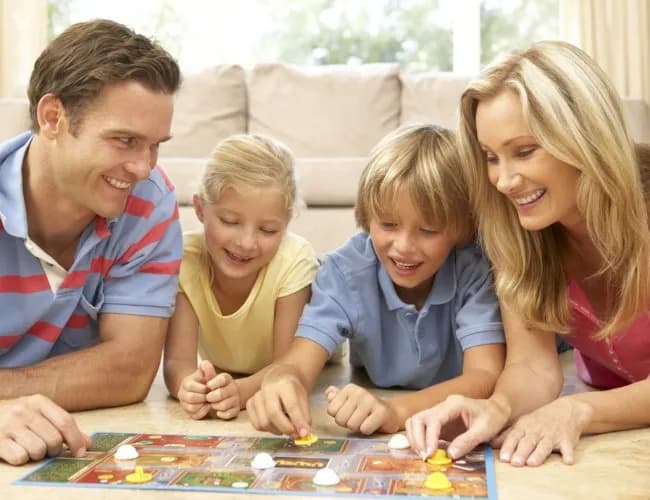
The benefits of play

Mireia Navarro Vera
Director and psychologist
COPC 10631
According to the Convention on the Rights of the Child, in its article 31 "play is a fundamental need for their physical, social and emotional development, so it is up to parents, educators and society in general to encourage it".
Through play we learn to respect the rules of society, to accept that in life we can win and lose, and we learn to be patient in order to solve problems among others, that is, countless behaviors useful for living together, and from a very young age we learn skills and behaviors that from then on will help us coexist correctly in the society in which we live.
At very early ages, play is a very important factor in both psychological and physical development.
It is extremely important that both parents and teaching professionals use play to interact with children, since this is the engine of communication and of how children relate to one another, and at the same time it is how they show themselves most spontaneously when they act.
Play is an innate act that helps them discover the world, discover their own capacities, abilities and limits, and relate to other people and objects.
The benefits of games
The benefits of play are countless; we highlight the following:
- They facilitate socialization both with their peers and with the adults around us and help create emotional bonds with others.
- They foster the discovery of abilities, capacities and also of our own limits.
- They help to respect others, to acquire rules and to encourage patience, for example when waiting for turns in the game.
- Problem solving
- They boost creativity and imagination.
Types of play
- Board games: hand-eye coordination, spatial relationship, they boost memory and attention
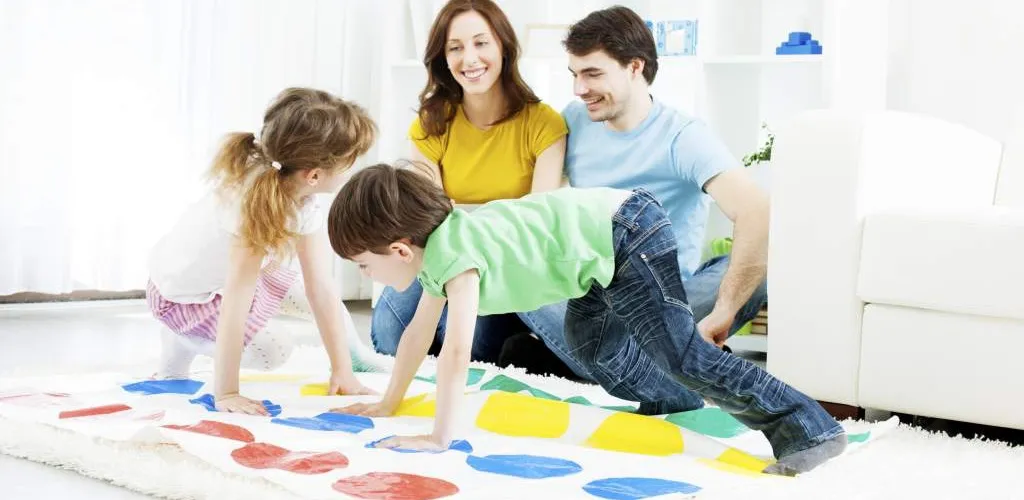
- Group games: they foster rhythm, impulse control, social relationships
- Construction games: they learn to manipulate objects and to see how things are made
- Competitive games: they learn that there are rules that must be followed for things to work well
- Fantasy games: imagination, creativity and social skills are developed
Guidance for parents
- At early ages it would be ideal to play whenever we can, to favor this space and enjoy it to the fullest.
- Depending on age, alternate free activities with others that have rules, but without the adult being an authoritarian figure, rather guiding the play.
- It is important that they know how to choose their favorite games, whether dolls or cars. What matters most than the type of game is the benefits these generate.
- Television, computers, consoles and tablets should not replace this space nor be used as a tool to keep children from bothering and to keep them entertained.
- We must give them opportunities to play with different materials, in different places to play, and also encourage going to parks or museums especially designed for the little ones
It is important to highlight that play improves family bonds; sharing moments among all family members improves both the communication between children and parents and is what our children value most at these ages: our company!!
Does this resonate with you?
Our team can help. Write to us and we'll guide you with no obligation.