Steps to improve emotional intelligence in our children

Eugenia Olego Gual
Child, adolescent, and adult psychologist
COPC 16511
Contents
- What is emotional intelligence according to Daniel Goleman
- Steps to improve emotional intelligence in children
- Putting a name to emotions
- Fostering empathy
- Knowing how to confront emotions
- Teaching them to listen
- Fostering a democratic dialogue
- Not hiding our feelings
- Working on self-control
- Expressing their emotions
If you want your child to be a balanced, empathetic and tolerant person, it is essential that they develop what is known as emotional intelligence. A skill that will allow them to better manage situations of stress, to better understand others, making their social, family and personal relationships more favorable.
What is emotional intelligence according to Daniel Goleman
According to Daniel Goleman, author of the well-known book "Emotional Intelligence", he states that "children learn emotional intelligence in real life"; thereby encouraging us to give them the best possible tools so that they can develop this skill. Goleman argues that there is an emotional illiteracy in the general population and this is largely caused by the rise of technology, which leaves us with less time to reflect and stay calm, in addition to reducing social relationships. In the USA there are social literacy programs that help children strengthen self-awareness, self-regulation, empathy, social skills... Here in Spain such programs are being implemented little by little, but the mindset still persists that at school children are meant to acquire academic learning and we do not value that the emotional side of the child is essential for them to have balance in their life.
Steps to improve emotional intelligence in children
Putting a name to emotions
- The first thing we must do is put a name to emotions. We go from the most basic (fear, anger, joy, sadness) to the more complex ones (envy, boredom, frustration, etc.). We can explain them in numerous ways, whether through stories, films, personal experiences, theater, etc. Or even if the child tells you about a situation and does not know what they feel, you can put a name to the emotion they are experiencing; for example, "I understand that you feel anger because Paco does not want to play with you".
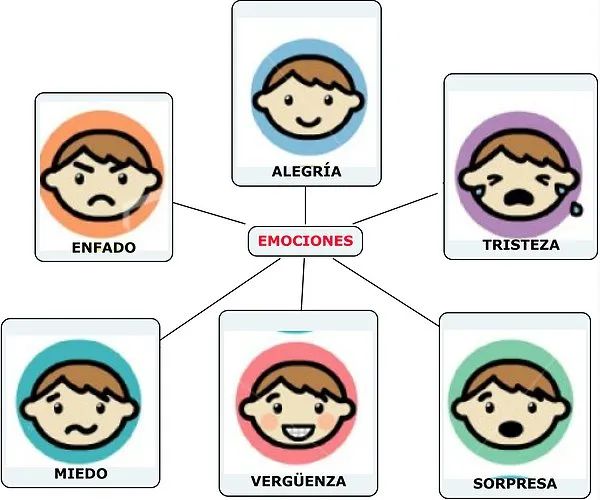
Get your child used to expressing phrases like "I feel... because...". This tactic will allow them to say things such as "I feel sad because Julia stood me up in the playground".
Fostering empathy
- Foster their empathy. Situations in which they do not put themselves, or do not know how to put themselves, in someone else's place are a good opportunity for you to talk with them. For example: if your child has pushed another and does not apologize, it is a good moment to tell them how they would feel if that had been done to them.
Knowing how to confront emotions
- Knowing how to confront emotions. It is common for children to sometimes be overwhelmed by emotions, tantrums that make them shout or hit things. It is important that we do not make those situations harsher; once the tantrum is over we can teach them, for example, that before shouting or hitting, it is better to say out loud what is bothering them.
Teaching them to listen
- Teaching them to know how to listen. From a very young age they should know how to be silent while others speak. And not only that, but the listening should be active. That is why it is advisable to speak to them slowly, calmly, looking them in the eyes and asking them whether they have understood what we have told them.
Fostering a democratic dialogue
- Fostering a democratic dialogue. If we teach them from a very young age the importance of making agreements, of dialoguing, of agreeing in a democratic way, we will make it easier for them to generalize it to other day-to-day situations.

Not hiding our feelings
- Not hiding our feelings. Repressing our sadness because a loved one has died, or our anger because we have had an argument with our superior, does not help the child to better understand emotions. Everyone has these emotions, and we must show our children that we have them.
Working on self-control
- Self-control. If we give them strategies so that they can control themselves, we will enable them to control their impulses and delay immediate reward.
Expressing their emotions
- Expressing their emotions. Last but not least, there are countless children who come to the practice without knowing how to talk about their emotions. If we teach them to comfortably express what they feel, it will lead to their communication being more fluid, as well as knowing how to better resolve the situations that worry them.
"Thanks to emotional intelligence we can teach the youngest ones to be happier and to better understand the world around them. That said, we must be their best example".
Does this resonate with you?
Our team can help. Write to us and we'll guide you with no obligation.