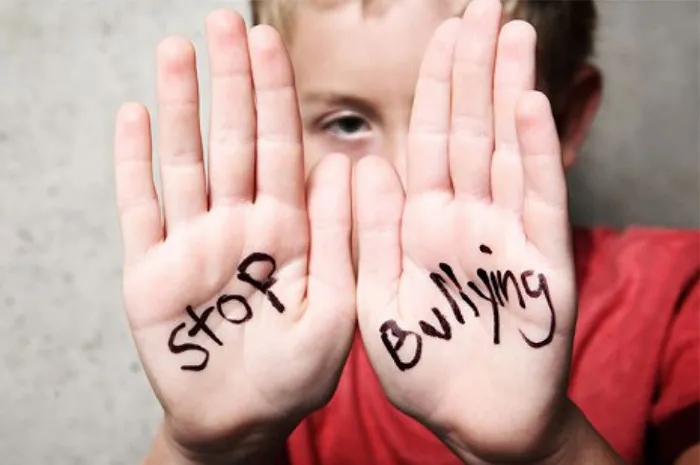
School bullying

Eugenia Olego Gual
Child, adolescent, and adult psychologist
COPC 16511
Contents
"A student becomes a victim of bullying when he or she is exposed, repeatedly and over time, to negative actions carried out by another or other students" (Dan Olweus)
The word bullying comes from English and means intimidation. Unfortunately, it is a word that has been heard a great deal in recent years due to countless cases of persecution and aggression toward many students, which can lead to consequences as terrifying as suicide. For this reason, we must prevent these situations by getting to the root of the problem.
School bullying has a series of characteristics that we will mention below:
- The people involved may be an individual or a group.
- They are aggressive, strategic, intentional, and repetitive forms of behavior, carried out without any apparent reason by one or more people toward one or more victims.
- The harassment extends over a more or less prolonged period of time. It can reach periods of several months or even years.
- Victims feel discriminated against and socially isolated.
- The abuser or abusers do this to impose their power over the other person, making them feel inferior.
- In most cases, the victim suffers in silence.
Types of school bullying (let us remember that they can appear simultaneously):
- Physical: Shoving, kicking, hitting with objects, punching, etc. It can also be indirect, such as deliberately breaking the victims' belongings, or even theft.
- Verbal: Bullying usually begins in the form of insults, derogatory nicknames that highlight physical defects, and/or racist comments. Let us remember that words leave more of a "mark" than physical aggression and affect the victim's self-esteem.
- Psychological: actions aimed at causing insecurity and fear in the victim that, in the long run, lead to helplessness and a lack of self-confidence.
- Social: Progressive exclusion and isolation of the victim. They are viewed with contempt by the group. The spread of disparaging and humiliating rumors is intended to discriminate against the victim before the group.
Characteristics of the bully:
- They generally have a strong temperament.
- They usually have a low tolerance for frustration; that is, they find it hard to make mistakes.
- They have low empathy, as they find it difficult to put themselves in other people's shoes.
- They are impulsive, authoritarian, and aggressive.
- A need to dominate, hold power, and feel superior.
- They struggle with limits and rules.
- They tend to have an "inflated" self-esteem, that is, one that does not correspond to reality.
- They usually behave badly at school.
- They need to feel important and recognized.
Why are they bullied?
They are usually victimized because of their physical characteristics that differ from the rest. They may be taller, shorter, heavier or lighter, blond, redheaded, with braces, or glasses. In other cases it revolves around their personality: they may be shy or outgoing, with particular interests (such as liking comics, etc.), more sensitive, and so on.
Warning signs:
From the teachers:
Teachers must be attentive to certain particularities that affected students may present:
- They are generally alone and excluded from the group
- They are the worst at games or group work
- They find it hard to speak in class and are insecure
- They appear depressed, unhappy, and insecure
- They are increasingly less interested in schoolwork and in going to school
From the student body:
Raising students' awareness is essential to detecting bullying. To detect bullying, it is necessary to study how the group reacts to a bullying situation. Three groups form:
- Those who actively approve of bullying: They are the ones who normally follow the bully and approve of the bullying. They are usually afraid of the bully. They believe the victim is unpopular and deserves it.
- Those who passively approve of bullying: They do nothing to stop it, and even enjoy it. They are afraid of the bully. They believe the victim brought it upon themselves.
- Those who actively disapprove of bullying: Some are friends of the victim. They are not afraid of the bully. They think they have the responsibility to intervene, and they do so to stop the bullying situation.
Those who actively disapprove of bullying are the key point for being able to put a stop to these highly complex situations.
From the family:
Parents must watch for the warning signs of a possible bullying problem. These would be some risk indicators:
- They do not invite classmates home
- They do not have a "good friend"
- Others do not invite them to parties.
- They are afraid of school and develop avoidance strategies, such as somatic complaints.
- They have nightmares
- They seem unhappy, sad, and depressed
- They lose or steal money to give to the aggressors
Recommendation for parents:
- The role of parents toward the victim: Ask them about the matter without making judgments. Talk with the teachers to apply solutions in the classroom. If the aggressions are serious, a judicial complaint can be filed. Turn to a specialist who can provide guidance on the case and offer support.
- The role of parents toward the aggressor: Analyze with your child their attitude toward others so that they can put themselves in the victim's place. Talk with the teachers about a possible joint solution. Impose sanctions if we know with certainty that our child is an aggressor.
- The role of parents toward the bystander: Talk directly with the school about the events recounted by the child. Offer an assertive model toward others.
Does this resonate with you?
Our team can help. Write to us and we'll guide you with no obligation.