How to teach children to be more caring?

Eugenia Olego Gual
Child, adolescent, and adult psychologist
COPC 16511
Within every social group there prevails a sense of solidarity, a compelling need to work together and enjoy doing so, which represents a high moral value. -Christian Lous Lange.
What do we understand by solidarity? Are we born caring? How can we educate children to be more caring?
What is solidarity?
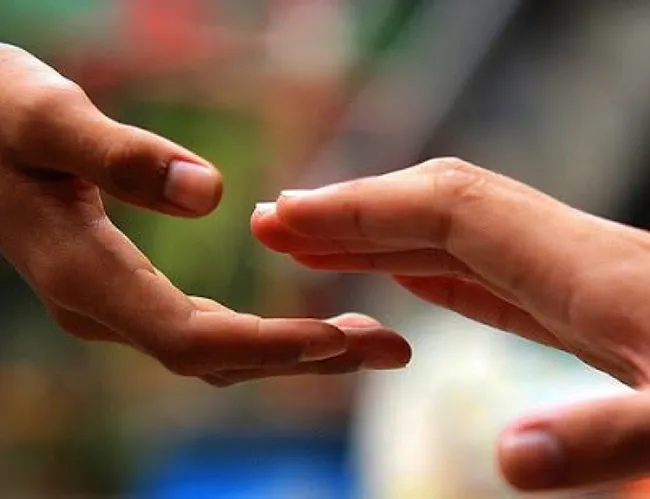
The term solidarity refers to the unconditional support of others' causes, especially in compromising or difficult situations. When we develop this value in ourselves we also learn to be more empathetic since we put ourselves in others' shoes in a more direct way. In addition, recent studies confirm that there is an association between happiness and altruism. There is a clear relationship in the well-being of those who do some kind of social volunteering, compared to those who do not practice it.
How to teach children to be caring
Since children are not born caring, it is up to us (school and family) to teach them to be so, since it can have a positive impact on them. Here are some ideas that can help you:
- Solidarity will be easily taught depending on how caring we ourselves are. If we show them a true model of altruism, children will better understand the ideas.
- Implementing this value (and others related to it) in the everyday matters of school will help them integrate it much better. For example, having the monitors organize structured group games with established rules.
- Having them attend esplais, summer camps and casals where they are taught values such as respect for others, cooperation among everyone, teamwork, skills and social relationships.
- Collaborating in social actions such as charity marathons, food drives, etc… so that they can understand the reason for such events and thus learn that there are other needs in our country and in others.
- Films and cartoons can be playful resources that help them learn more easily. This link provides you with films by age that convey these values.
- Another educational resource would be the use of books and stories that capture many emotional values that can shape the child's personality. We provide you with another interesting link so that you can tell the little ones stories that make them reflect.
- Through images, music and videos we can teach them about customs, cultures, foods, animals, and nature from other countries so that they increase their knowledge and see that there are other realities different from the ones they know.
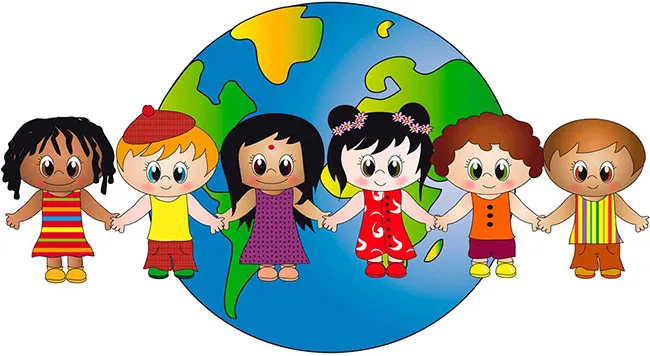
Traveling to other countries also helps to get to know different cultures in a closer way.
Team games and sports
- Getting to know the other side of the coin such as intolerance, selfishness,… is the best way to understand solidarity.
- Team games are fantastic for introducing little ones to the world of solidarity. Classics such as "el pañuelo," in which teams participate trying to win the handkerchief from the opposing group, are good for showing that what each person does can affect everyone, which is why mutual support and help are important.
- Team sports are great inspirers of solidarity in children. Such sports depend on the work of each of their members for the game to function correctly. For example, in soccer, even though it is a competitive sport, it also helps players understand that when there is cooperation and good strategy the final result is more effective.
Conclusion
As we can conclude, solidarity can manifest itself in any everyday life situation. That is why we must take advantage of every occasion that arises to foster this most precious quality. And not only make them reflect, but also make them participants in this way of acting.
Does this resonate with you?
Our team can help. Write to us and we'll guide you with no obligation.